For agents, landlords and sellers
Virtual Staging that fills an empty listing in about 60 seconds
Buyers scroll past empty rooms. Upload the listing photo you already shot and virtual staging furnishes it — same walls, same windows, same light — for about a dollar an image instead of a $500 photoshoot.
★ 1,000+ rooms replanned · HD, structure intact · from $4.90 one-time
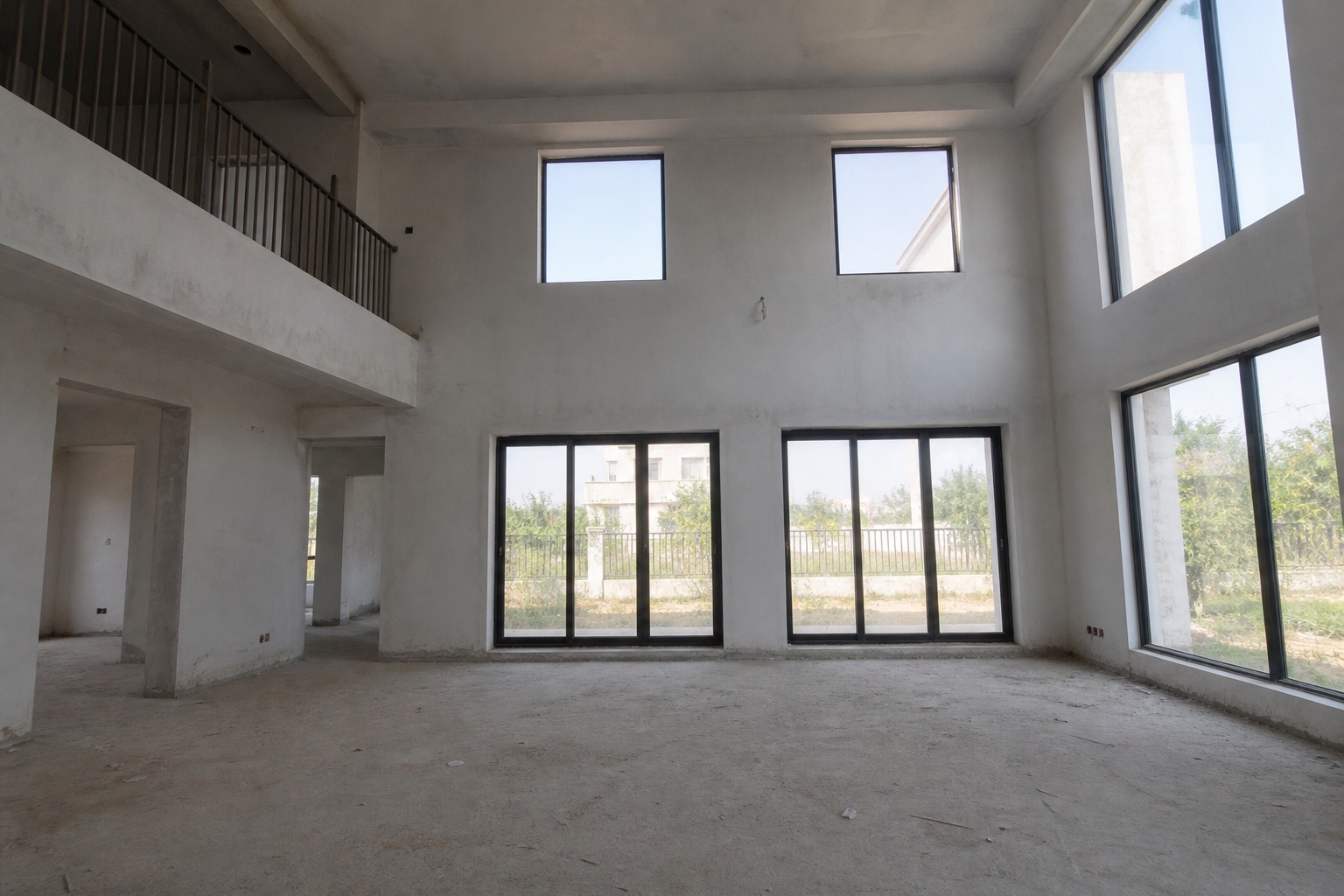
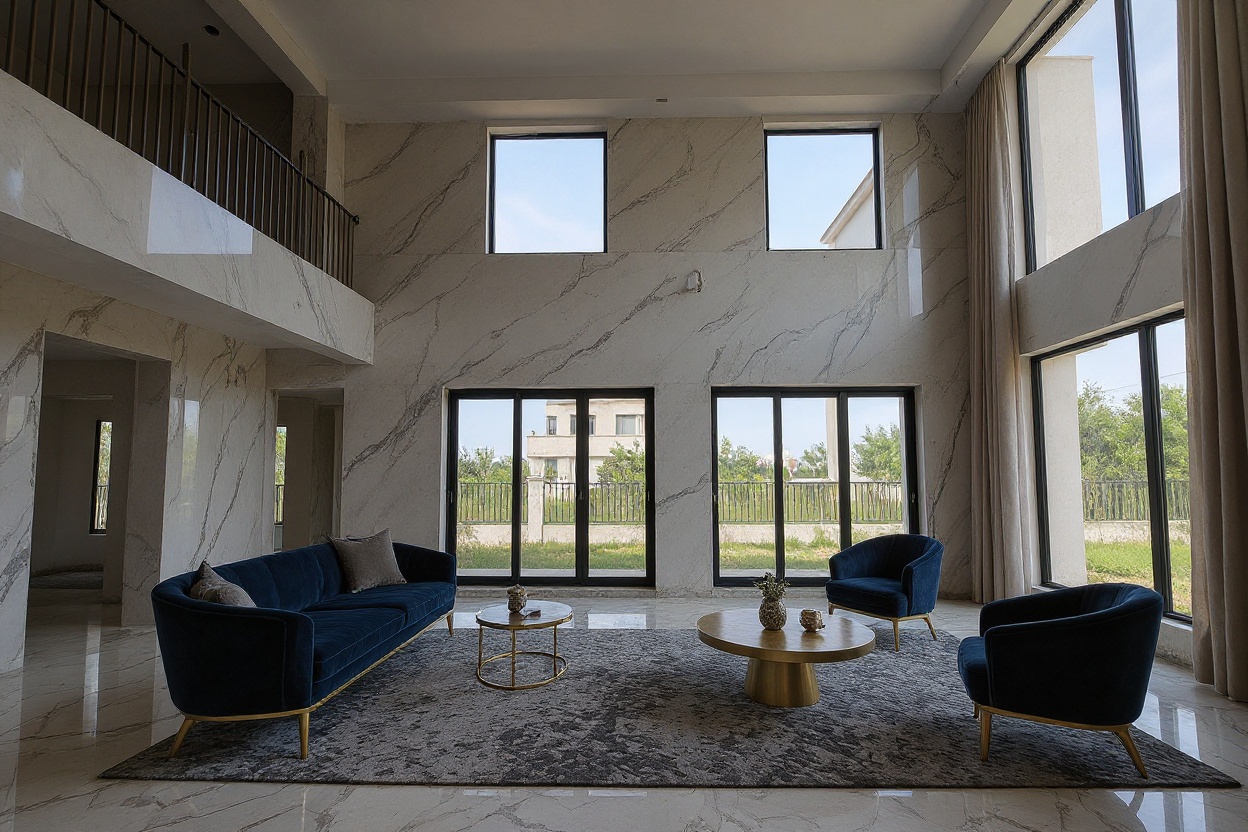
Stage an empty room now
- Listing-ready HD
- Walls and windows stay put
- Cancel anytime
No photo to hand? This is the kind of empty-room shot that stages well.
How virtual staging works
Upload the empty room photo
The listing shot you already have. No re-shoot, no photographer, no furniture rental.
Say who the listing is for
Optional: "young family", "executive rental", "light Scandinavian". Skip it and the AI stages to a broad, market-safe look.
Download it in about 60 seconds
Structure stays untouched — walls, windows and the floor plan come straight from your photo, so the staging stays honest to the property.
A staging shoot vs. virtual staging
$500 to $2,000 per property for rented furniture, a stylist and a photographer.
Days of scheduling before the listing can go live.
Want a second look? Re-rent, re-style and re-shoot the whole room.
About $0.78 to $0.98 per staged image on a yearly plan, and monthly plans cancel anytime.
About 60 seconds, from the phone in your car outside the property.
Run the same photo again in another direction and compare the two side by side.
Virtual staging for real estate: where it earns its keep
Virtual staging for real estate started as a cost-saving trick and turned into standard practice, for a straightforward reason: buyers form an opinion of a listing from a thumbnail. An empty room in that thumbnail reads as "unfinished" before anyone gets to the square footage. Staging fixes the read. Doing it physically costs a photoshoot; doing it virtually costs about the price of a coffee, and it can be done from the car outside the property.
It does not pay off equally on every listing, though. These are the five situations agents keep coming back for.
- Vacant listings
- The core case. An empty room gives a buyer no sense of scale — they cannot tell whether a bed fits until something bed-shaped is in the frame. Staging the primary bedroom and the living room usually moves click-through more than staging every room in the property.
- New construction and pre-completion units
- Homes that do not exist yet, or exist as bare drywall. A staged render lets the listing go live inside the marketing window rather than after handover — with a clear label saying the image is virtually staged.
- Rentals and short-term lets
- The margin on a rental rarely justifies a $500 shoot, which is why rental listings are so often photographed empty. Per image, staging is cheap enough to make sense on a unit that turns over twice a year.
- Off-season listings and relists
- A property that has sat on the market picks up a stale look. Re-staging the same photos in a different direction gives the relist a genuinely new set of images without booking a second shoot.
- Repositioning for a different buyer
- The same three-bed reads differently staged for a young family than staged as an executive rental. Running the same photo twice and comparing costs a few credits rather than a second furniture rental.
In every one of these cases the structure of the room comes straight from your photo — walls, windows, doors and proportions are held, and only furniture and styling are added. That is what keeps a staged image usable in a listing instead of misleading.
What virtual staging costs, honestly
The headline comparison is easy and true: a traditional staging shoot runs $500 to $2,000 per property, and a virtual staging render costs about a dollar. It is worth showing the arithmetic rather than a headline rate, because a per-image price only means something once you know how many credits one staged image consumes.
On Spacevo a virtual staging render costs 2 credits. Credits are $0.49 each on the entry-level yearly plan and drop to $0.39 on the largest, so a staged photo lands between roughly $0.78 and $0.98. Monthly billing works out higher per image.
| Comparison | Traditional staging shoot | Spacevo virtual staging |
|---|---|---|
| Cost | $500 – $2,000 per property | About $0.78 – $0.98 per image |
| Turnaround | Days: scheduling, delivery, styling, the shoot itself | About 60 seconds |
| A second look | Re-rent, re-style and re-shoot the room | Rerun the same photo in another direction |
| Empty units | Furniture rental for the whole staging period | No furniture involved |
| What it produces | Photographs of real furniture in the room | A render that must be labelled as virtually staged |
That last row is the honest asymmetry, and it is why virtual staging supplements a shoot rather than always replacing it. A physical staging sells the property to the person standing in it; a virtual staging sells the thumbnail to the person scrolling past it. For most vacant listings, the thumbnail is the battle worth spending on.
Disclosure, MLS rules and staying on the right side of them
A virtually staged photo is a marketing visual, not a representation of what conveys with the property, and every major board treats it that way. The rules differ in the detail but agree on the principle: a virtually staged image has to be identifiable as one.
- Label every staged image
- Most MLS boards require a visible "virtually staged" notation on the image itself or in the caption. Check your board's exact wording — some specify placement and size — and apply it before upload rather than after a complaint.
- Never alter what is being sold
- Adding a sofa is staging. Removing a support column, widening a window, hiding damp or changing the floor plan is misrepresentation. Spacevo holds the room's structure by design, and here that constraint is the point rather than a limitation.
- Keep the unstaged original
- Publish the empty photo alongside the staged one, or have it ready on request. It settles questions on viewing day before they turn into complaints.
- Rules are local, and they change
- Board policy, state or national law and portal terms all apply, and none of that is advice we are in a position to give you. Confirm the current requirements with your board or brokerage before the listing goes live.
Used this way, virtual staging does what a floor plan or a wide-angle lens does: it helps a buyer picture themselves in the space, without pretending the space is something it is not.
Virtual staging FAQ
How much does virtual staging cost?
A staged image costs 2 credits, and credits run $0.39 to $0.49 each on a yearly plan — roughly $0.78 to $0.98 per staged photo. A traditional staging shoot is $500 or more per property.
Do the staged photos stay true to the property?
Yes. Spacevo holds the room's structure: walls, windows, doors and proportions come straight from your photo. Only furniture and styling are added.
Do I have to disclose that a photo is virtually staged?
Most MLS boards and local rules require staged photos to be labelled as virtually staged. Check your board's policy and label the image — the render is a marketing visual, not a statement about furniture included in the sale.
Can I stage an occupied or cluttered room?
Empty rooms give the cleanest results. For a furnished room, open the full studio, clear the clutter first, then stage the cleared photo.
Can I use staged photos in an MLS listing or a paid ad?
Commercial use — listings, portals, paid ads, client deliverables — comes with an active paid plan or a valid credit-pack balance. Renders made with bonus or referral credits are watermarked and for personal use. Whichever licence you are on, your board's disclosure requirement still applies.
What kind of photo stages best?
A straight-on shot of the whole room, taken in daylight, with the floor and at least two walls visible. Empty rooms stage cleanest. Very wide fisheye shots and photos taken from a doorway corner give the AI less of the room to work with.
Can I stage the same room in different styles?
Yes — run the same photo again with a different brief ("young family", "executive rental", "light Scandinavian") and compare the results side by side. Each run costs 2 credits, which is what makes repositioning a listing for a different buyer practical.
How long does one image take?
About 60 seconds, in the browser, on a phone or a laptop. There is nothing to install and no shoot to book — the constraint is how fast you can upload the photo.
Stage the next listing before the photographer calls back
Create an account, pick a plan, and render in about 20 seconds.
Stage one photo